
World Refugee Day: 75 years of protection – and a responsibility that continues
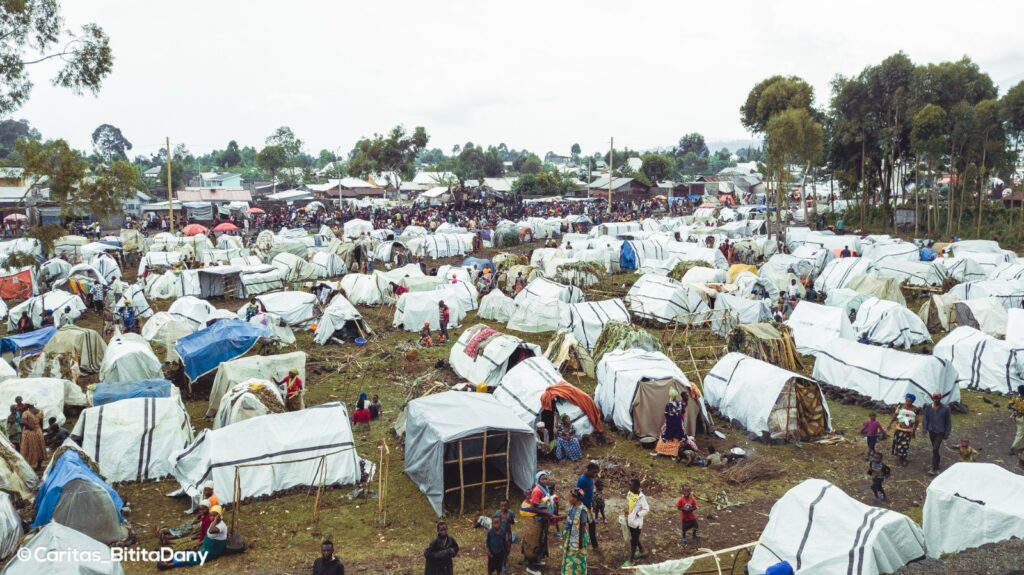
On World Refugee Day, we join the global call to strengthen protection for people on the move. This year also marks the 75th anniversary of the 1951 Refugee Convention – a historic promise that people fleeing persecution and violence should never be left alone.
The Convention was adopted in the wake of two world wars, driven by a collective determination that the world would never again turn its back on people seeking safety. Today, this promise is more relevant than ever.
According to the United Nations High Commissioner for Refugees (UNHCR), 117.8 million people were forcibly displaced by the end of 2025 – approximately one in every seventy people on Earth. This year’s theme, “Until All Are Safe,” emphasizes that safety is not a privilege, but a fundamental right.
As long as people are forced to flee from war, climate change or persecution, we have a shared responsibility to protect them.
A promise under pressure
The Refugee Convention states that people who seek refuge do not lose their rights or dignity. They have the right to safety, education, work and the opportunity to participate in society.
But these principles are under increasing pressure. Several states are introducing:
- closed borders
- deterrence policy
- externalization of asylum procedures
At the same time, the principle of non-refoulement – the prohibition against returning people to danger – is being weakened, putting already vulnerable people at even greater risk.
The crises that drive people to flee
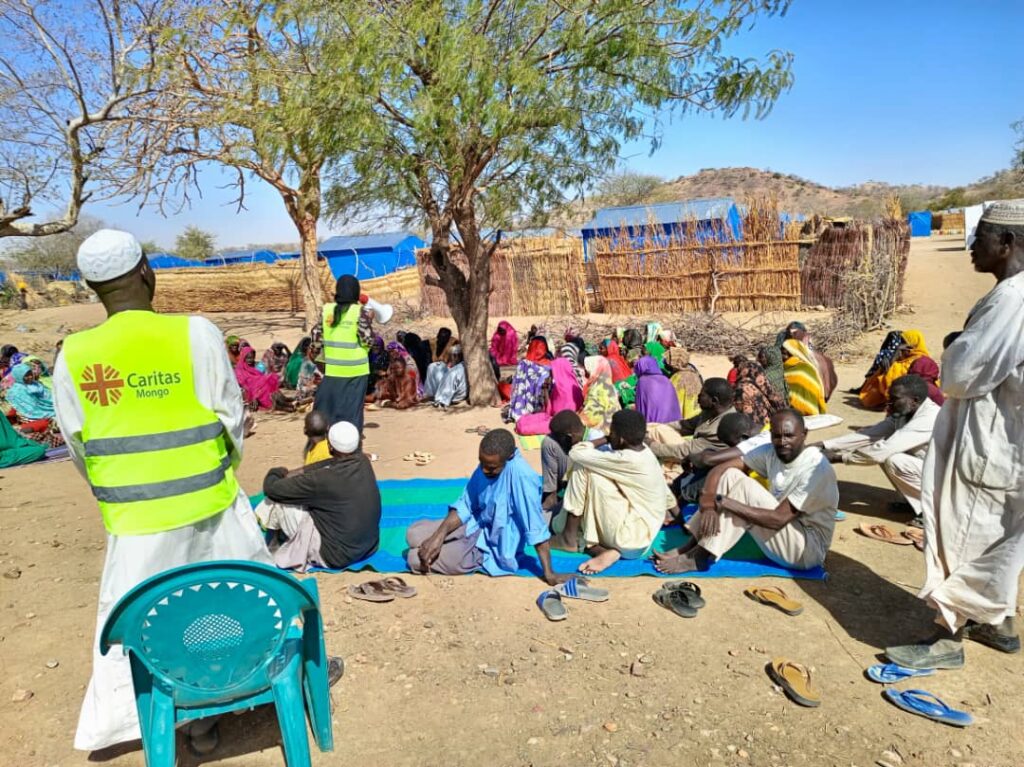
Today’s displacement crisis is characterized by protracted and complex conflicts. Around seven out of ten refugees come from just a few countries: Venezuela, the occupied Palestinian territory, Ukraine, Syria, Afghanistan, Sudan and South Sudan.
Sudan remains the world's largest internal displacement crisis, with over nine million people driven from their homes. In addition, recent escalations in Lebanon and Iran have forced more than one million people to flee.
Caritas ‑organizations are present in many of these crises and work with local churches and communities to provide shelter, food, protection, and a listening presence.
Refugees are often referred to as victims – but their stories are also tales of resilience, strength and hope.
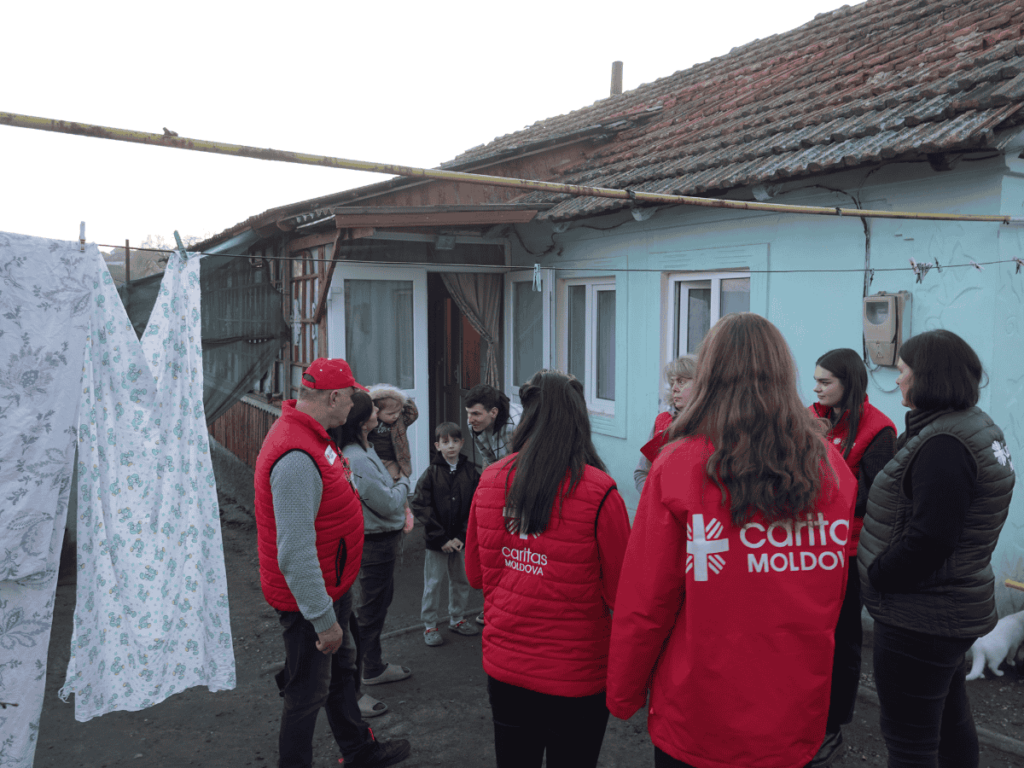
Caritas ' call on World Refugee Day
Caritas Internationalis encourages:
- States to respect their obligations under the 1951 Convention and translate them into real protection – not deterrence.
- The international community to ensure predictable funding for humanitarian operations that support displaced people and host communities.
- Faith communities and civil society to build communities characterized by welcome, inclusion and dignity – where refugees can rebuild their lives and contribute to society.
Shared responsibility until everyone is safe
As long as people are forced to flee, our collective responsibility remains. On the 75th anniversary of the Refugee Convention, Caritas steadfast in its humanitarian mission: to protect human dignity, strengthen hope and build communities where everyone can live in security.
Until everyone is safe, the work is not done.