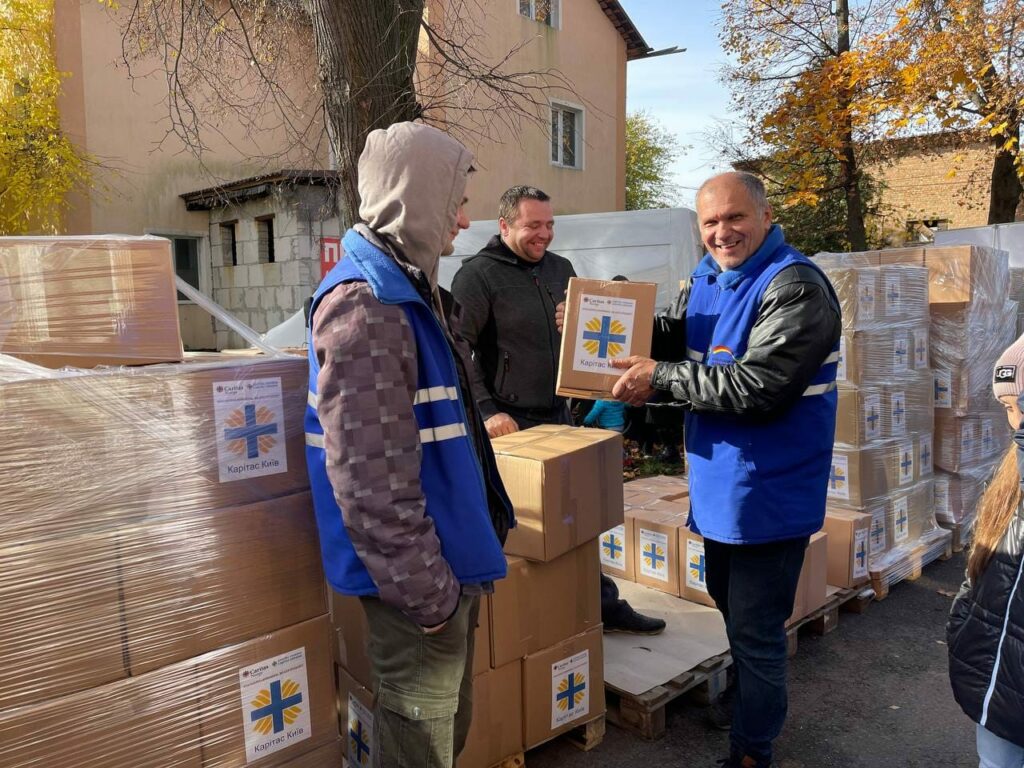
emergency response
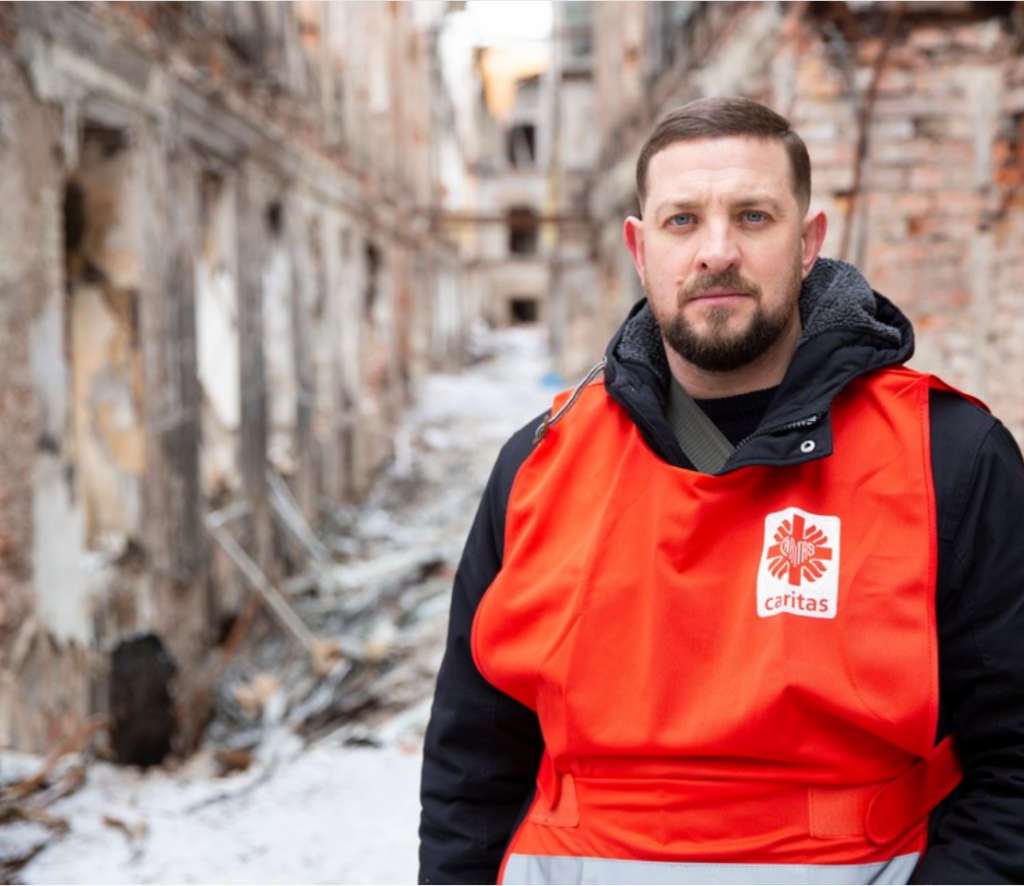
Caritas Norway is part of one of the world's largest humanitarian networks – with aid workers in more than 200 countries. They work tirelessly to help people in need – as a result of conflicts, natural disasters or hunger crises.
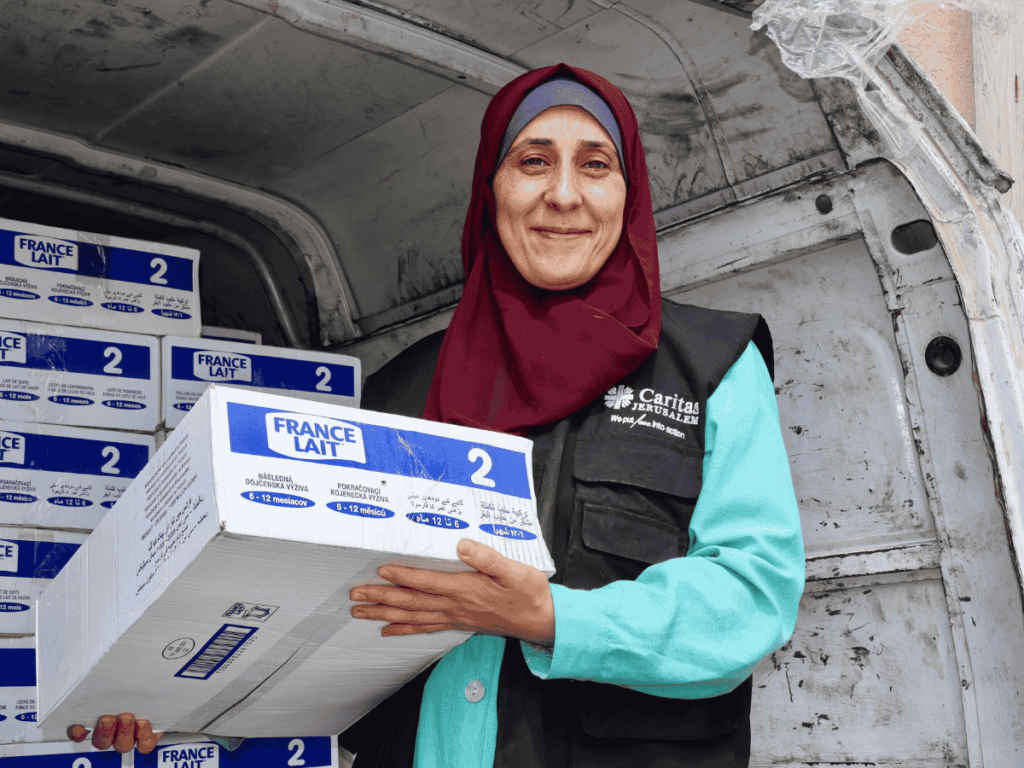
Long-term and sustainable solutions
According to the UN, around 239 million people will need humanitarian assistance and protection in 2026. This is at a time marked by a number of ongoing wars and international crises, but also major aid cuts. This means that millions of people will not receive the help they need to survive. To meet this urgent reality , the way humanitarian work is carried out must be rethought .
It has long been the case that the will to help in the form of money and other resources only comes on the table when the UN declares a humanitarian crisis. By then, it is often too late. Therefore, long-term and sustainable solutions are crucial in the work to prevent hunger and famine.
This is the cornerstone of all the work that Caritas does. When disasters and conflicts plunge vulnerable people into crises, we work closely with governments and civil society to respond quickly.
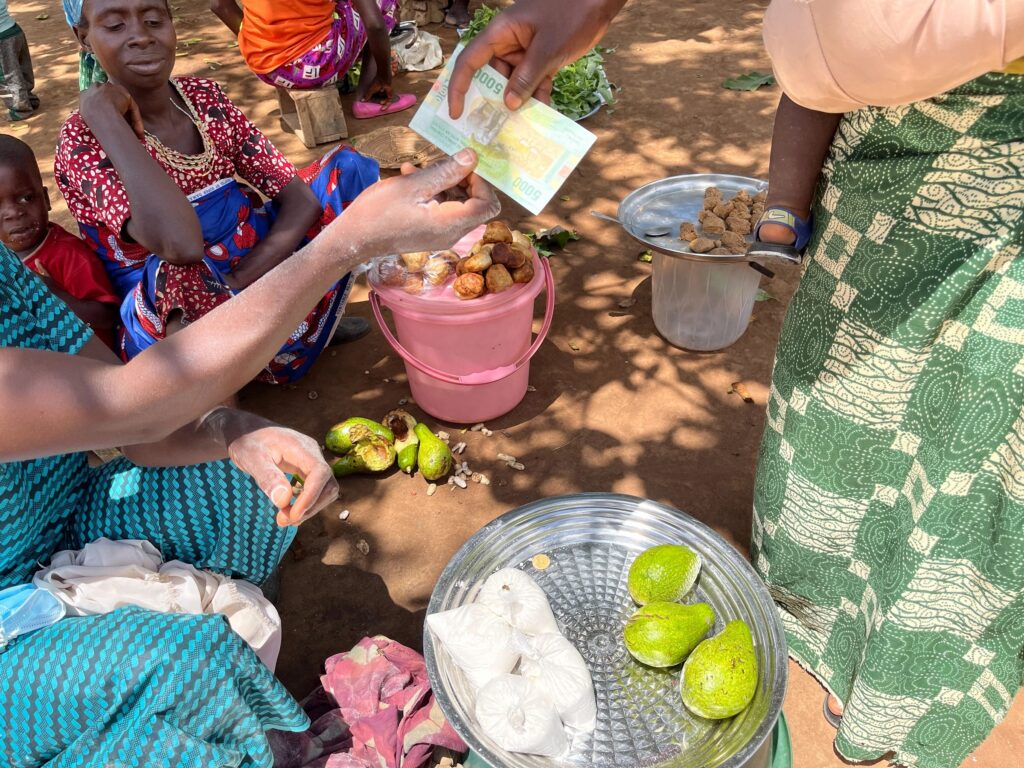
Local anchoring
The global Caritas network brings together 162 independent national organizations in over 200 countries and territories. Caritas Norway is one of them. Through locally adapted work, we provide emergency response , supports long-term development and promotes justice and peace worldwide.
We are present where the needs are greatest and in all humanitarian crises. Local presence means we can respond quickly when the needs are greatest through our partners.
Our local partners are there before, during and after a crisis. In a time of growing humanitarian needs and large funding gaps, we know that working through local partners is not only the most effective way to reach people in need, but also the only sustainable approach for the future.
How do we work?
We are present before, during and after a crisis. The humanitarian principles underpin all our work.
Articles
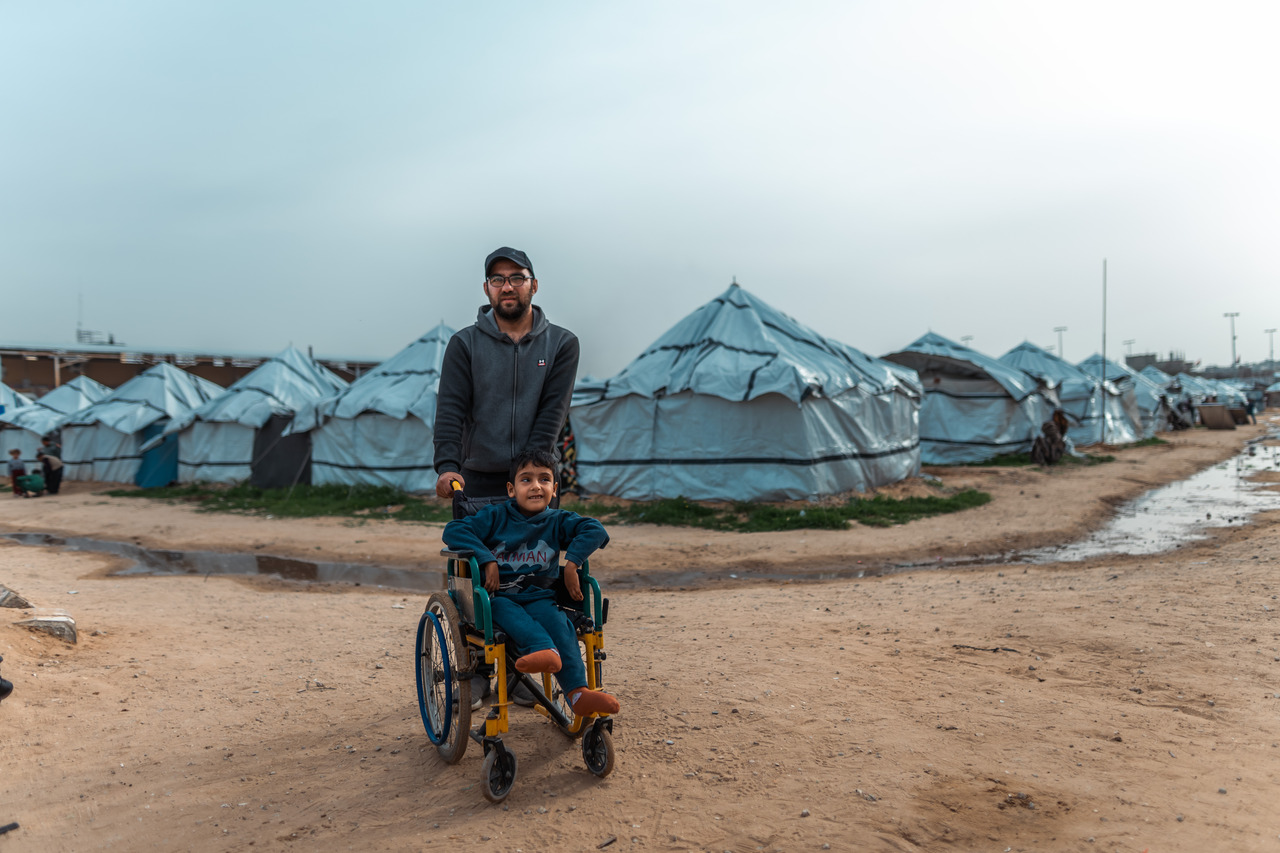
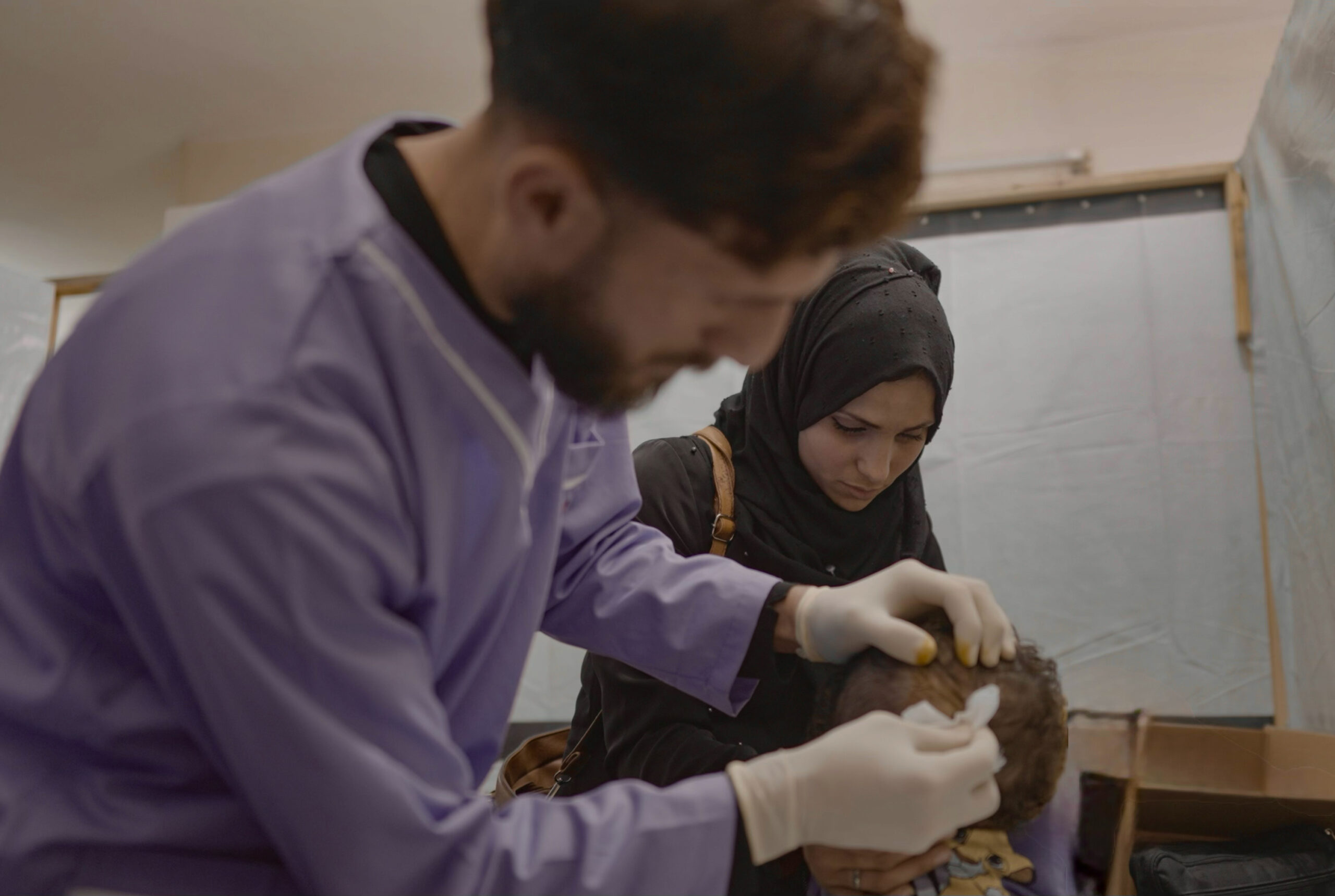
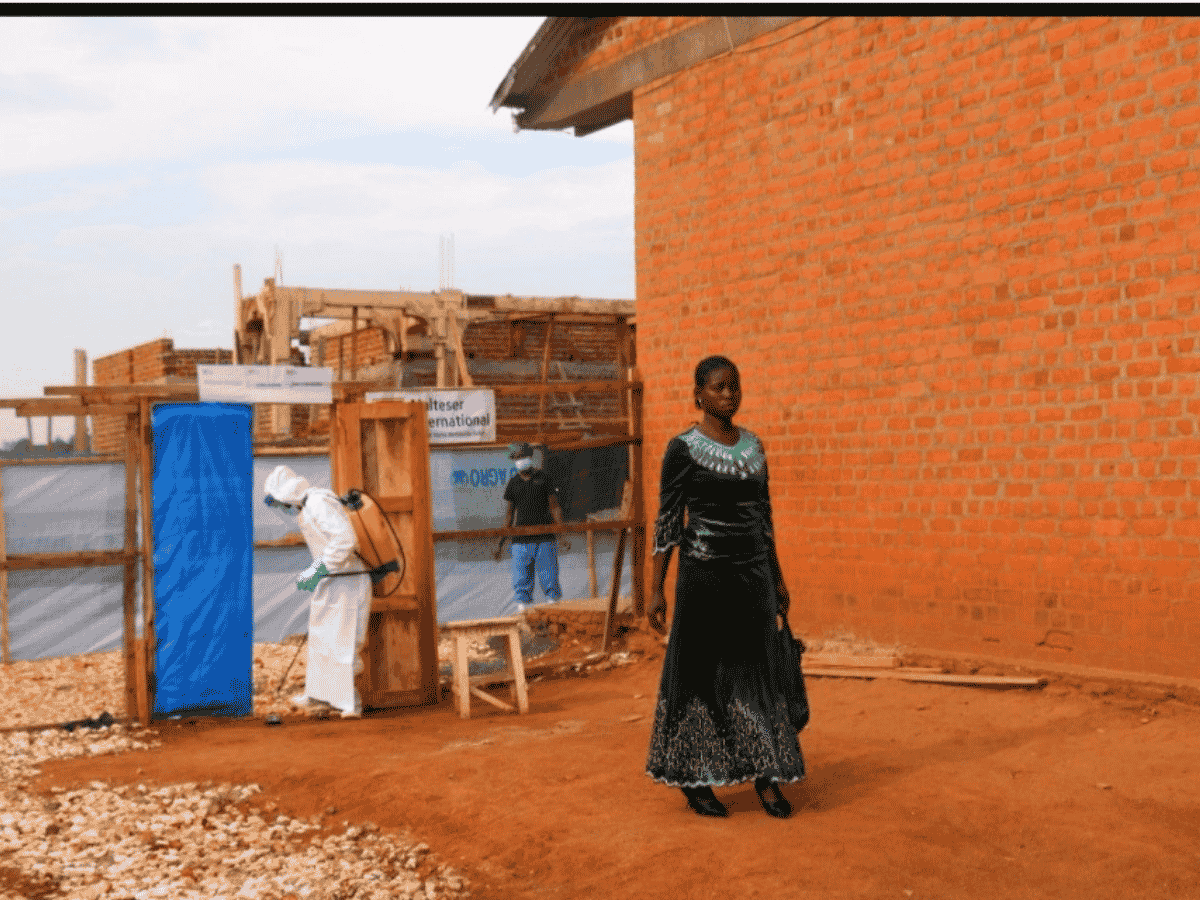
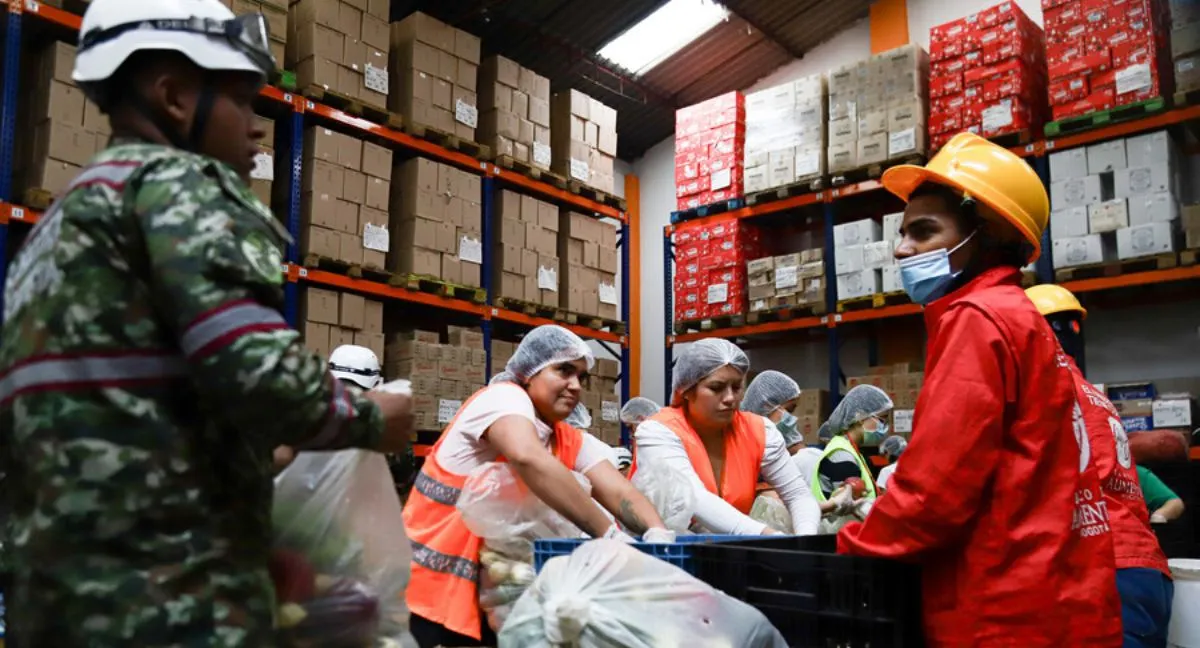
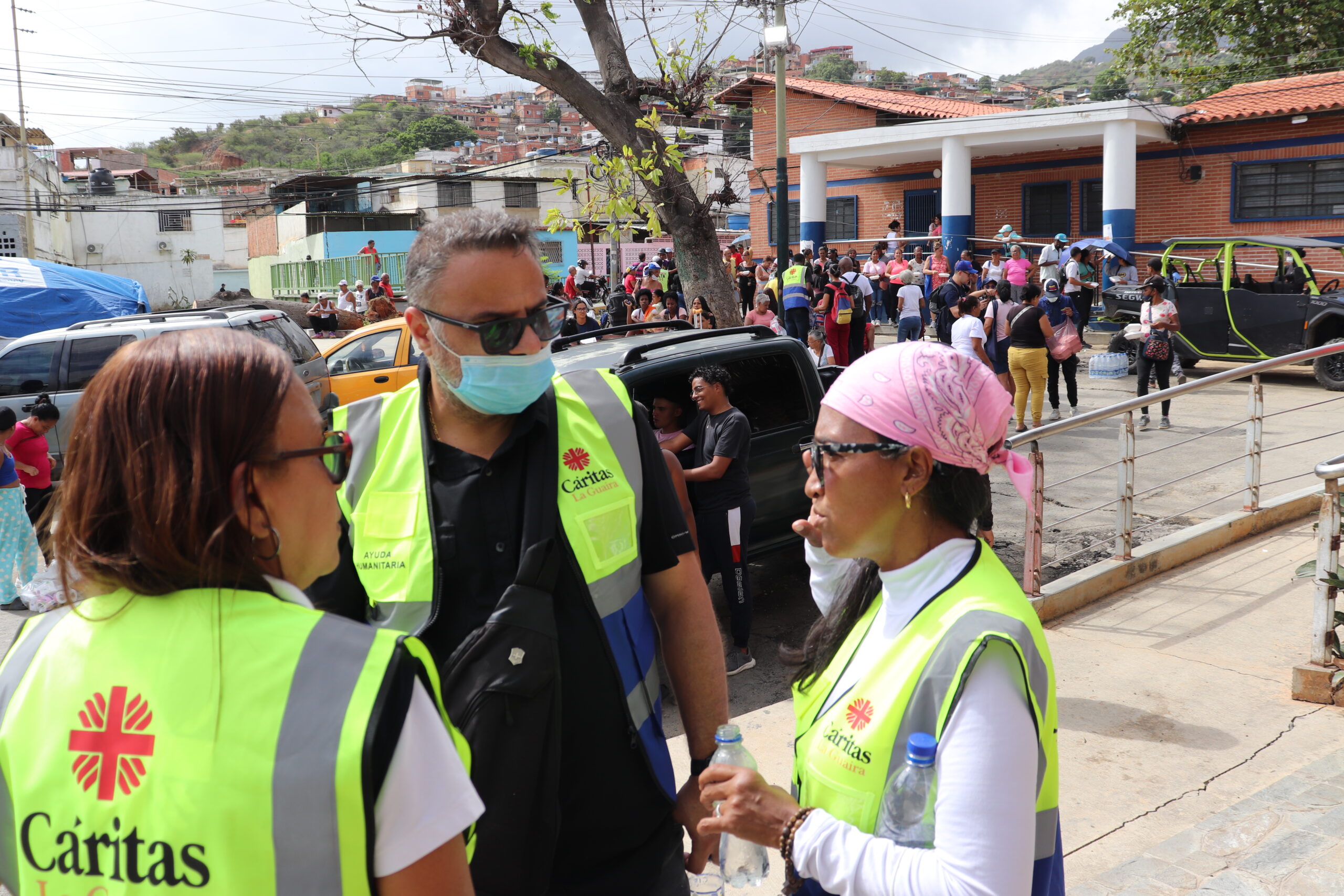
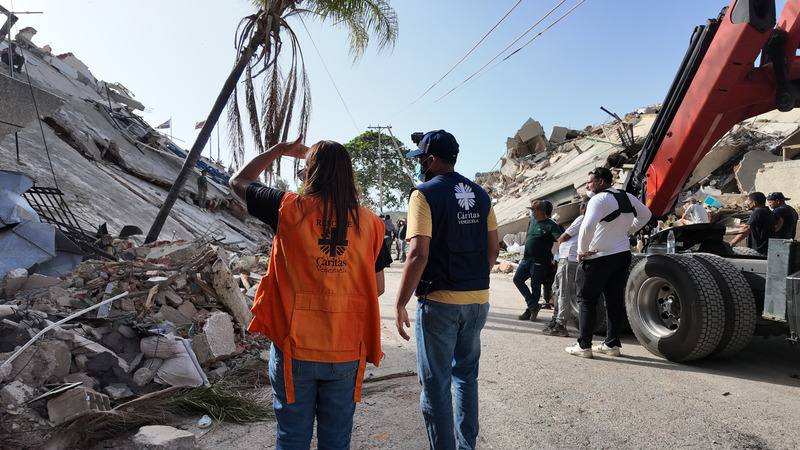
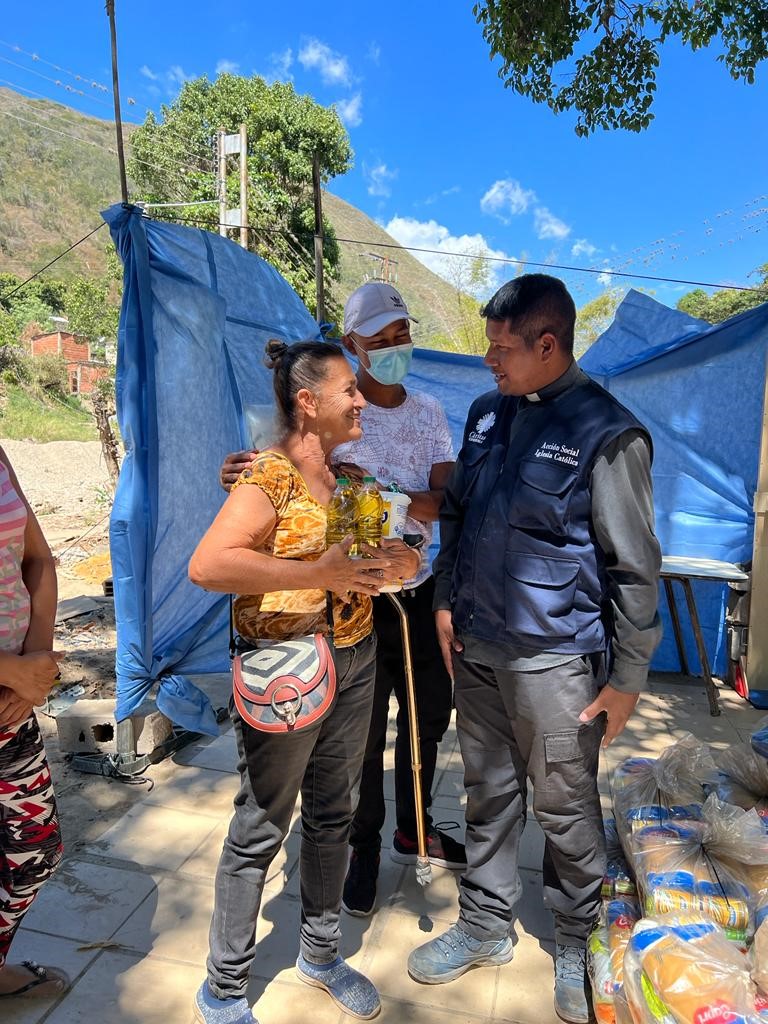
While the international Caritas network – of which we are a part, works humanitarianally in over 200 countries and territories, we currently have emergency relief projects in South Sudan, Nigeria, Venezuela, Palestine (Gaza and the West Bank), Ukraine and Moldova.
The work is coordinated in close collaboration with local partners and funded by Norad.
Our target groups include internally displaced persons, families who have returned to their homes and vulnerable families in need of humanitarian assistance. In addition, we work with malnourished children under the age of 5, pregnant and breastfeeding women.
In 2025, there were 124,000 people who received emergency response through our projects.