
Record number of people displaced
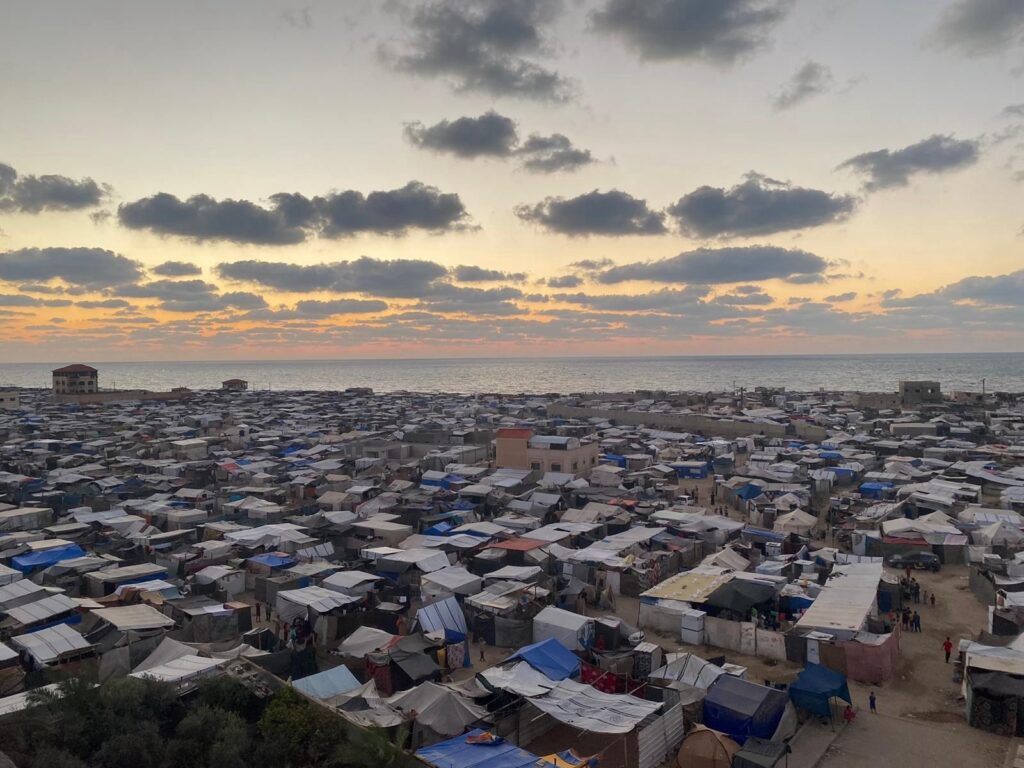
So far in 2025, we have seen an alarming increase in the number of refugees and displaced people, especially in conflict-torn countries and areas such as Sudan, the Democratic Republic of Congo, and Gaza.
According to the UN, more than 122 million people are forcibly displaced . World Refugee Day is marked on 20 June each year. On this occasion, Caritas calls on local communities, governments and international organisations to work together to maintain and increase humanitarian support, keep borders open for asylum seekers and address the root causes of forced displacement.
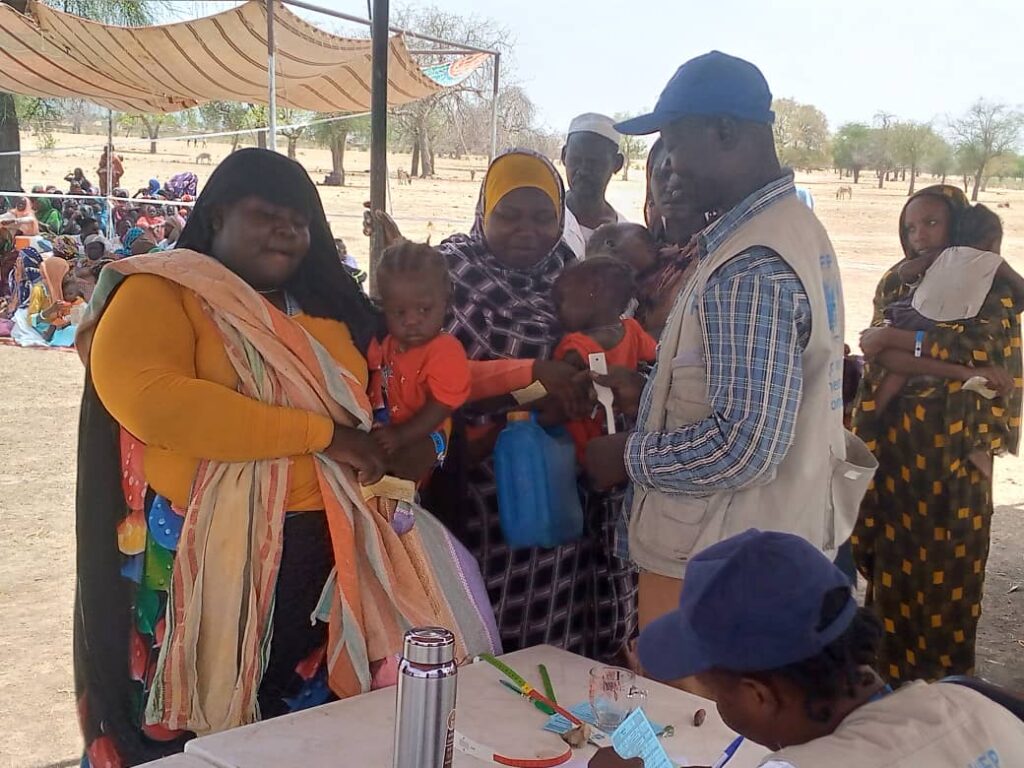
A major concern in 2025 is the significant decline in global humanitarian funding , with major cuts from the US and Europe, among others. This has hit refugees hardest. For example, Sudanese refugees in Chad have lost access to basic needs such as food, shelter, education and healthcare. Many have therefore been forced to attempt to cross Libya to reach Europe – a journey that puts many lives at risk.
Safe and dignified return
Although some refugees express a desire to return home, this process must be handled with great care. The principle of voluntary return emphasizes that the decision must be free and informed, without pressure. Safe and dignified return requires several important prerequisites: physical safety, security in the areas of return, legal protection and access to assistance. It is also important to ensure services, livelihoods and psychosocial support to facilitate durable return and good reintegration. Frameworks for durable solutions must take into account the diverse needs and experiences of children. It is crucial to ensure children’s rights throughout the migration journey – including during the return process.
For those displaced in Syria, both internally and externally, the return journey presents many challenges , largely due to the country's instability. With the recent cuts in emergency response , many are unable to rebuild their destroyed homes. Yet success stories from voluntary return programs show that when implemented properly, with adequate support and follow-up, refugees can rebuild their lives in their home countries. It is important to recognize, however, that return is not always the best or safest option, and that other solutions must remain available.
More border controls
New trends show a worrying increase in border controls in several regions. The Schengen area has been tightened, and the situation at the US-Mexico border continues to be a humanitarian challenge. These restrictions often force refugees to take more dangerous routes, putting lives at risk and strengthening human smuggling networks.
Promises must be fulfilled.
Ahead of the UNHCR High-Level Meeting in December 2025, accountability should be a priority: governments and actors must be held accountable for the promises they have made. These include easing pressure on host countries, strengthening refugee self-reliance, expanding access to third-country solutions, and supporting conditions in countries of origin for safe and dignified return.
The picture this year is bleak , marked by global instability, increased conflict, and reduced funding and political will. By marking World Refugee Day 2025 , we reject the normalization of war and conflict, and recall that the protection and integration of refugees is a shared responsibility. In the words of the late Pope Francis, in addressing refugee and migration issues, we should strive to “welcome, protect, promote and integrate.”