
Caritas can take wage theft cases to court

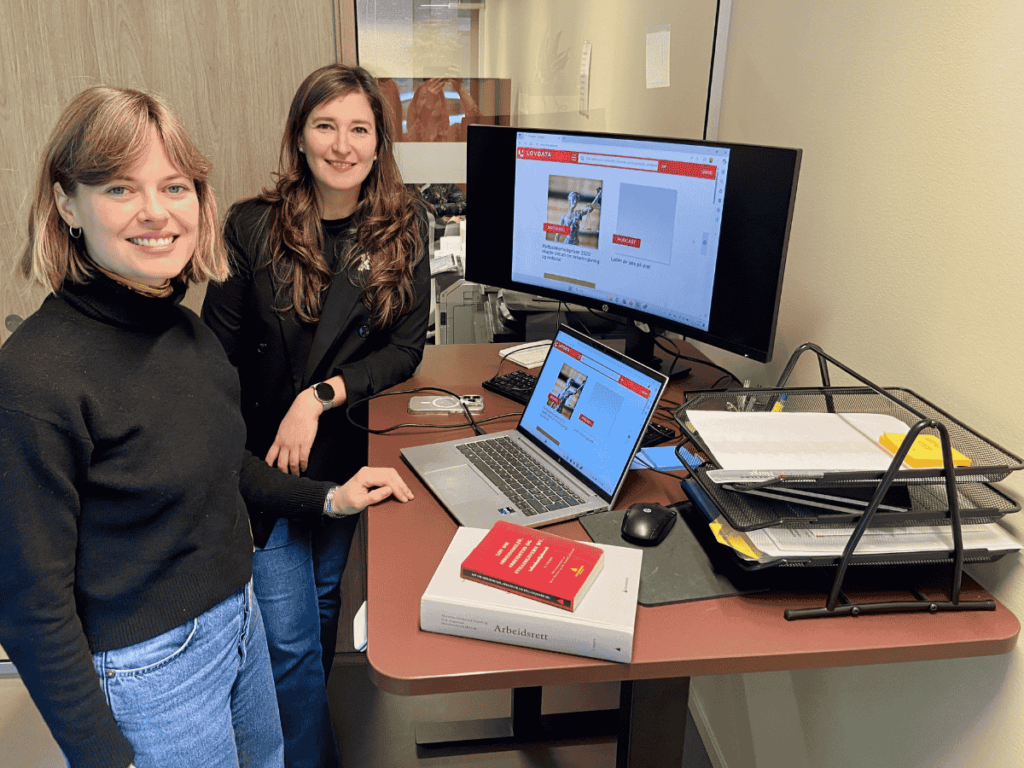
This summer, two of Caritas lawyers are granted a grant as an attorney and a paralegal respectively. This means that we can now take wage theft cases to court – not just provide legal advice. This is an important breakthrough in the fight against workplace crime.
– This strengthens the legal protection of victims and gives us greater leverage in dealing with unscrupulous employers, says Lejla Maloku Valsgaard, lawyer and specialist in Caritas Norway.
Hundreds of cases – few judges
Although wage theft was criminalized in 2022, only three employers have been convicted. Two of them in February this year. This is in stark contrast to reality: In 2024, Caritas legal assistance in 162 exploitation cases – 103 of which involved wage theft. Many of the cases are referred to us by the police, the Norwegian Tax Administration and the Norwegian Labour Inspection Authority.
Workers who are not paid their wages are not entitled to free legal representation (legal aid in a court case). The Storting has passed an amendment to this, but it has still not come into force. Therefore, victims of unemployment crime have been at the mercy of external lawyers who take on their case pro bono – that is, on a voluntary basis and without payment.
Greater impact – previous solution
As a result of an amendment to the Attorneys' Act from January 1, 2025, it is now possible for non-profit foundations to: Caritas to represent clients in court.
– It gives us greater leverage – both legally and in dialogue with employers. We believe this will lead to more cases being resolved at an earlier stage, says Valsgaard.
Provides legal aid to victims of non-criminal activity
Caritas ' legal aid team provides free legal assistance to immigrants in vulnerable situations. We have particular expertise in cases of human trafficking through forced labor, and also assist workers exposed to wage theft, threats, violations of the Working Environment Act and the Generalization Act.
For many, exploitation means working under illegal contracts, being fired on the spot, being exposed to work accidents that are never reported – and living in dangerous and undignified conditions.
– We are now better equipped to uncover and stop abuse, and to give victims the legal protection they are entitled to, concludes the specialist in Caritas .