
Encourages more people to visit Bethlehem
For the past two years, the world has been following the war in Gaza with alarmed eyes. Meanwhile, the situation in the West Bank has been getting worse. This applies to the security situation, but not least to the economy.
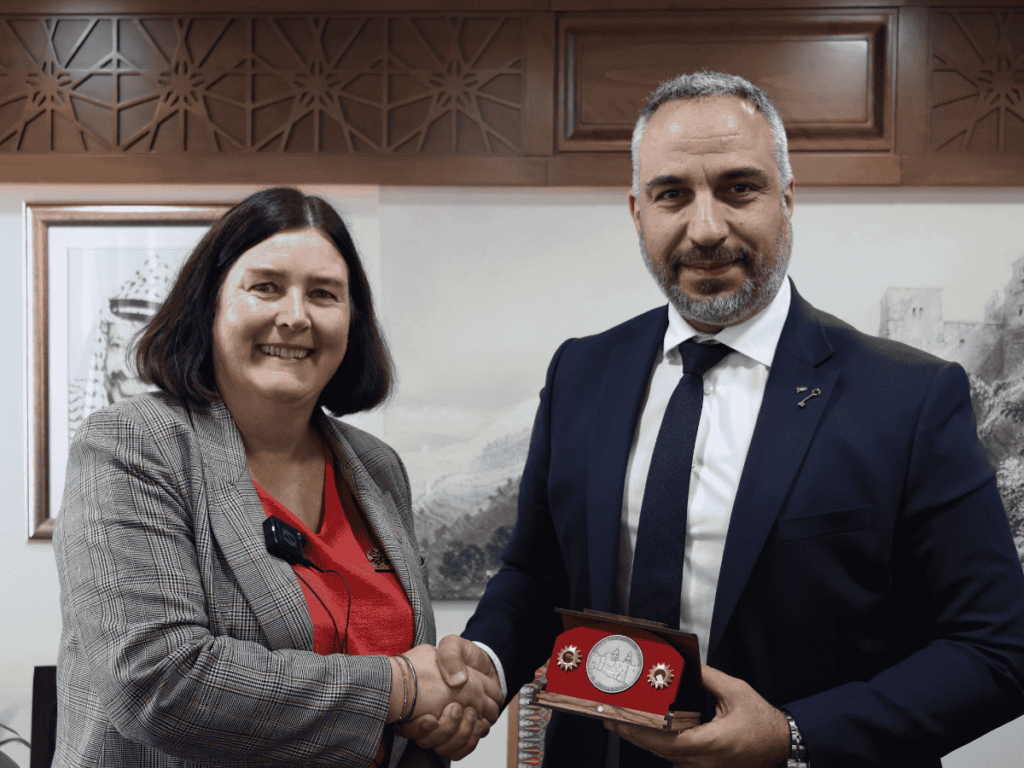
“All eyes have been on Gaza. There are good reasons for that, but it cannot be that no one’s eyes are on the West Bank,” said Ingrid Rosendorf Joys, Secretary General of the Caritas Norway on a visit to Palestine in November.
Labor, tax revenues and exports
There are many reasons why the economy in the West Bank is miserable. Elias Tabban, the parish priest of Zababdeh, located in the Jenin district, points to unemployment as a main reason:
– Economically, life has become terribly hard. Many have lost their jobs, they used to work in Israel, in Galilee.
Tabban estimates that two-thirds of the families in his congregation lost their income when the war broke out more than two years ago. With some exceptions, such as doctors and nurses, Palestinian workers were denied entry into Israel. This situation has not changed yet.
In the Jenin district, also known as the breadbasket of Palestine, there was also extensive export of agricultural products. The Israeli market was closed to them, again with some exceptions. This has hit the region hard. Caritas Jerusalem is trying to mitigate the consequences of this through livelihood projects that help the population find new ways to make a living.
Tourists and pilgrims
Another reason why the Palestinian economy is in poor condition is that tourists and pilgrims stopped coming when the war broke out.
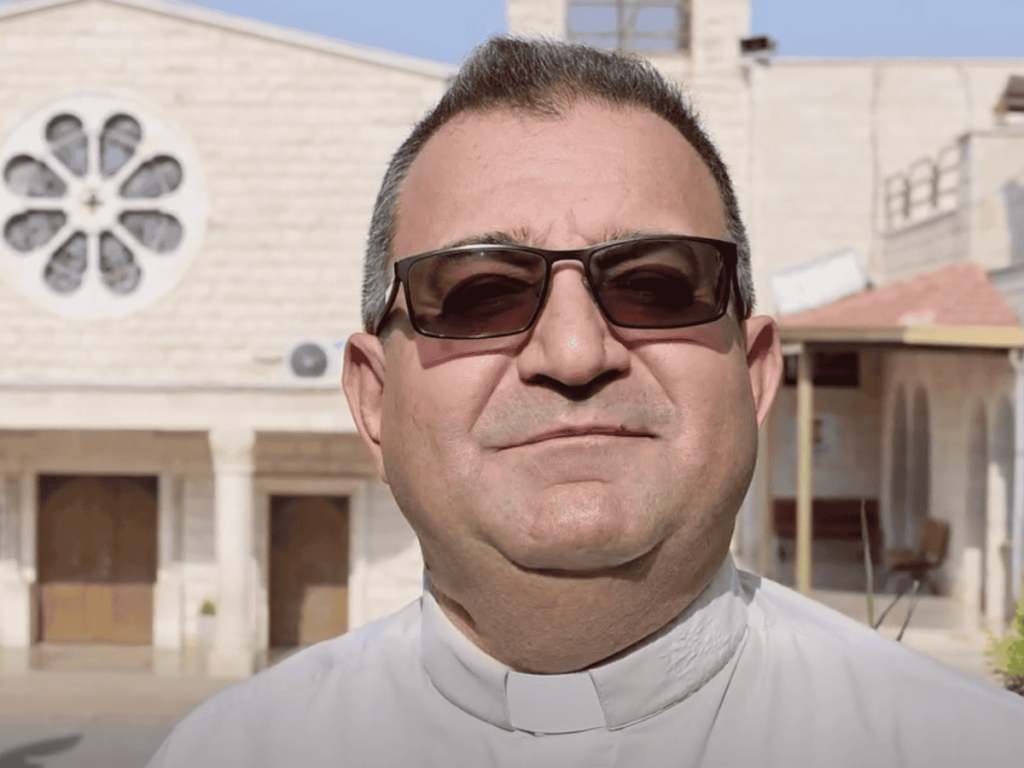
“Bethlehem is a tourist city,” asserts the city’s Christian mayor, Maher Canawati. He estimates that between 80-90% of the population was engaged in the tourism industry.
The economic losses are enormous. And it quickly becomes a vicious circle. It is a long shot to invest in hotels, for example, when you don't know when, or if, tourists will return as before.
One family that has done so is the Khoury family of Taybeh, the last Christian village in the Holy Land. They went against the flow of migrants and returned to Palestine, establishing a brewery. It is now run by Madees Khoury.
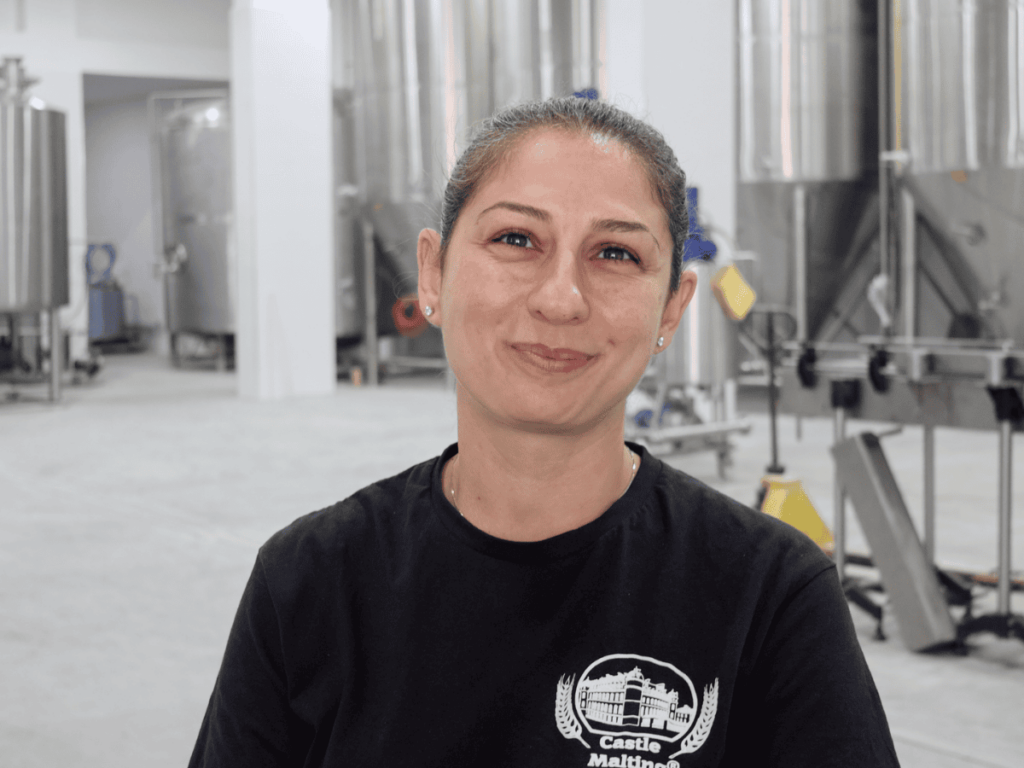
She says they are proud that they have managed to establish jobs and a successful business that not only produces for the local market, but also exports to Europe. It is not easy, however, and the last two years in particular have been very difficult. Giving up is not an option, however.
“We have shown that it is possible,” says Khoury.
The parish priest of Taybeh, Bashar Fawadleh, joins the many Palestinians who welcome tourists and pilgrims. He believes such visits have a value beyond the economic:
– Come here and visit us. Stay among us, and bear witness to what you have seen.