
Faith and hope for peace
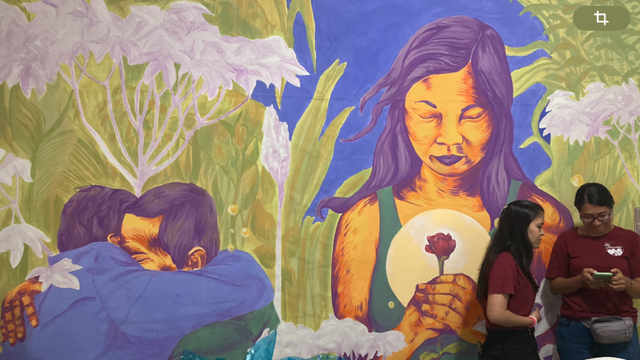
In a time of record conflicts and crises, the church and other religious communities are more important than ever as a gathering and reconciliation arena. There are also faith-based organizations. With their local roots, they enjoy high trust in the population – also in peace work.
Sustainable peace cannot be achieved without addressing the root causes of conflict, such as poverty, inequality, and lack of access to services and opportunities. Colombia is one of the countries where this is being done. Since Gustavo Petro took office as president in 2022, the government has initiated a series of dialogues with the goal of ceasefires and reconciliation between armed groups. Another goal is to reduce poverty through everything from forest conservation to more equitable distribution of agricultural land.
Vocational training for youth
The Catholic Church is a bridge builder and facilitator for several of the dialogues, while Caritas with its grassroots roots, carries out peace projects in local communities. One of them was about providing youth with vocational training in fish farming, with the goal of improving living conditions and preventing recruitment to local guerrillas. These days, we are working with local farmers to find more sustainable ways to run cattle ranches. This is to prevent deforestation and conflict in the Colombian part of the Amazon.
Enjoys great trust
The fact that the church enjoys great trust among the population was demonstrated during the presidential election in the Democratic Republic of Congo. While election observers from the European Commission were denied access , the Catholic and Protestant churches became guarantors of a transparent, credible and democratic conduct of the election. The church plays an important role in the political and social system, in health and education, as well as in peace and conflict resolution.
Since the country's independence from colonial power Belgium in 1960, the Catholic Church has also acted as a counterforce. It has closely followed the socio-political situation, consistently condemning corruption, poor governance and abuses by the authorities. At the same time, the Church has encouraged the population to exercise their right to vote, and has contributed to raising awareness of peace and democratic values.
Reaching out to the most vulnerable
Through its broad and structured network, the church also reaches out to the population in areas where the authorities are completely absent. The same applies to faith-based organizations that have unique knowledge of local conditions and needs. This makes them ideally placed to drive change that is both relevant and culturally sensitive. Strengthening the capacity of these local actors is important to ensure that efforts for emergency response , development and peace become effective and sustainable. Therefore, this is one of our contributions to the government's new Africa strategy that will be presented this summer.
In the new humanitarian strategy presented on 15 May, we expect a strong focus on locally led efforts. Faith-based actors play a key role here. They are often native to places affected by war, conflict and disasters and are therefore important actors in reaching out effectively with aid. They can also contribute to giving those in need more control over the aid they receive.
Capacity building
National and local actors are key to a more sustainable response. More investment is needed in their capacity building to prevent and address the major humanitarian challenges. Ownership and participation by national and local governments, as well as organizations, will require innovative approaches to partnerships, inclusion, coordination and financing. Sectors we hope will see investment include agriculture, infrastructure, education and vocational training. The aim is to reduce poverty, create jobs and build communities – which in turn contributes to fewer conflicts.