
Travelogue from Colombia: Small steps towards peace
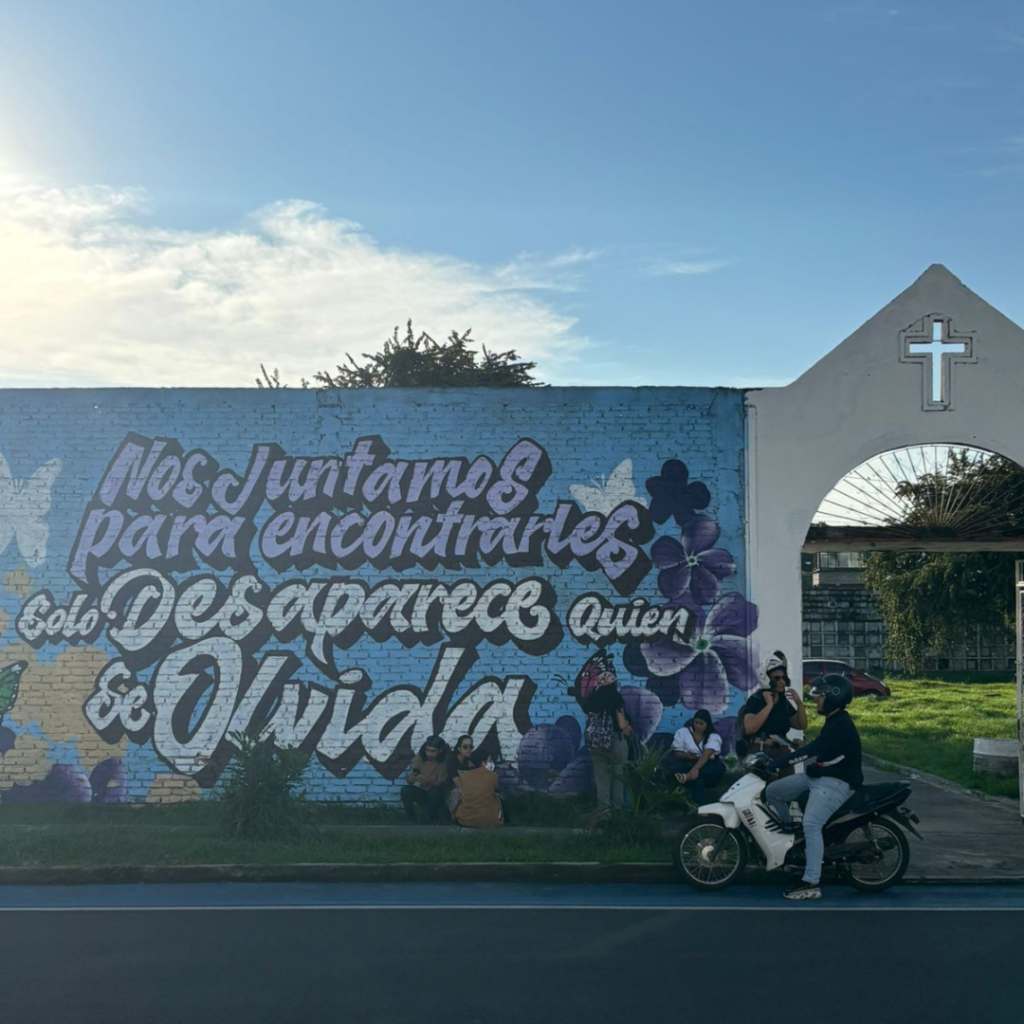
In Colombia, local communities, the church and civil society are working together for peace – in a country otherwise marked by increasing violence and political polarization. Their courage gives hope, and shows that the people have not given up on peace.
We saw several examples of this during a trip to Cali, Palmira and Tumaco, where program advisor Yomaida Cardona also Caritas Norway, as well as Development Assistance Director Ellen Fadnes and Advisor Laura Fernandez at the Norwegian Embassy participated. So did our two partners in peace work – Caritas Colombia and FICONPAZ , writes Ingvill Breivik in this travel report. She is a regional representative for Caritas Norway in Latin America based in the capital Bogota.
Women, peace and security
In Cali we met with women's organizations that receive training in UN Security Council Resolution 1325 on women, peace and security through the Union de Ciudadanas. The goal is to strengthen their political advocacy work with local authorities. We also met with the local diocese about the challenges the city faces; the increasing number of armed groups, the recruitment of minors into criminal gangs and the lack of economic opportunities for young people. Here, the Catholic Church plays an important role in supporting the dialogue with the criminal groups in the city.
The memory lives on
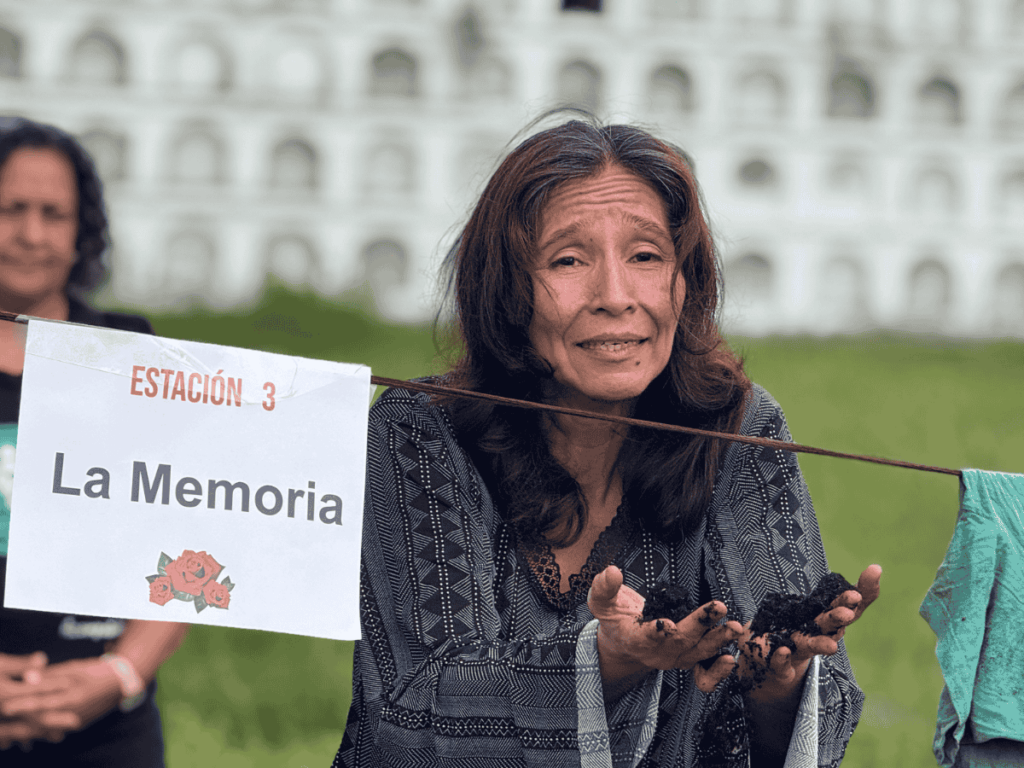
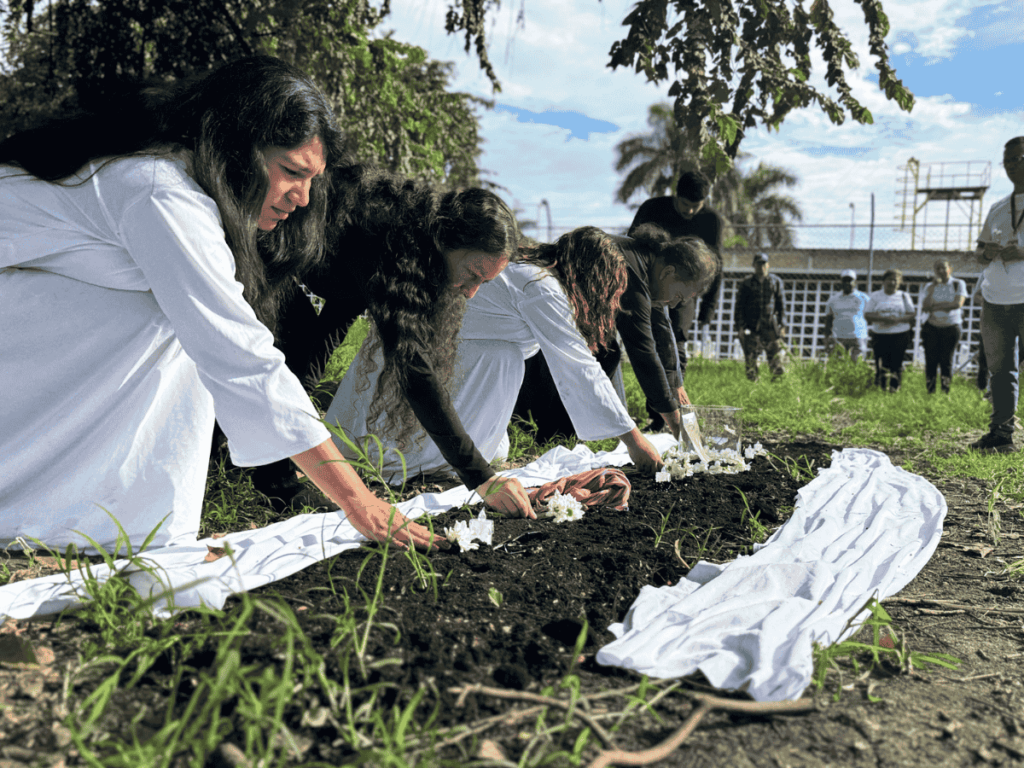
In Palmira, about 30 km east of Cali, we visited the city cemetery with the theater group Teatro Vive and a group of victims and defendants in the transitional justice system. Through art and theater, they tell the story of those who disappeared during the conflict, and remind us of the importance of never forgetting.
In the cemetery of Cali, in the area known as Patio del Olvido – “the backyard of oblivion” – over 700 unidentified victims are buried in mass graves. Since 2023, the Search Unit for Persons Reported Missing (UNPD) has worked with defendants from both the military and former FARC-EP in the excavation. The project “We Gather to Find Them” has resulted in the restoration of the cemetery and the construction of over 600 dignified burial sites.
We got to see up close how they have worked with forgiveness and reparation in practice, and how art and theater can be used to tell about the grief and pain, but also about hope and the importance of never forgetting.
Protection through community
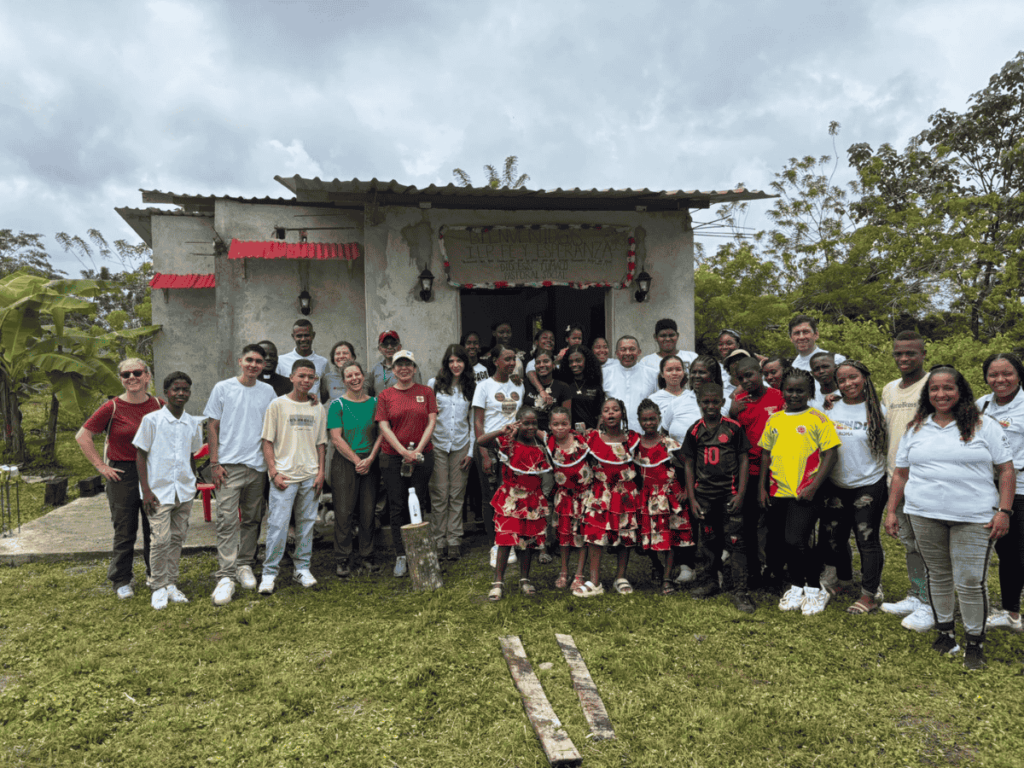
On the South Pacific coast, we visited the Esperanza y Fe association, which provides children and young people in Afro-Colombian communities with a safe community through sports, music, dance and traditional activities. The port city of Tumaco has been hard hit by the conflict due to its strategic location along smuggling routes, but is now in a calmer period as the dominant armed group is in peace talks with the government. In these talks, both the church and Norway play an important role as facilitators and supporters.
In meeting with the church and the UN mission, we had the opportunity to talk about local challenges, as well as the importance of continuing support for peace efforts. This is especially important in connection with next year's presidential election and the election campaign that will soon begin in full swing.
Small steps towards a different future
Colombia is at a critical point in its long journey towards peace, with increasing violence and political polarization. Yet our meetings show that the people have not given up hope. Every woman who fights for her rights, every child who is allowed to choose education over weapons, every victim who receives answers, and every defendant who contributes to remembrance and reconciliation. These are all small but important steps that ensure that Colombia does not forget its history, but creates a new future. We are proud to contribute to that.