
Working to preserve the forest in the Amazon
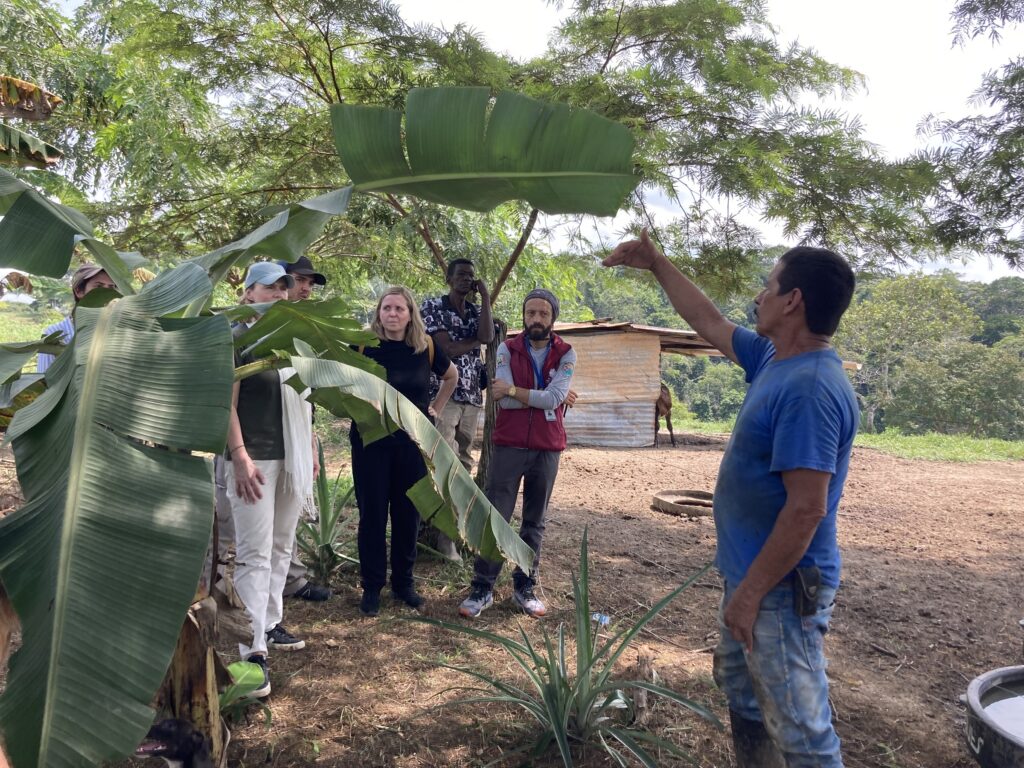
“The Caquetá region in southern Colombia is a good example of how environmental protection and peace efforts must be coordinated to promote sustainable development and lasting peace,” says Sigrid Nagoda, regional director for Caritas Norway.
She recently visited Caquetá together with representatives from Norad, the Norwegian Embassy and Caritas Colombia. The purpose was to see results and learn more about a Norwegian-supported forest conservation project that is being carried out in collaboration with several local communities. The goal is to protect the Amazon, build peace and create sustainable living conditions.
Still many conflicts
The region is characterized by a number of conflicts between armed groups, and local communities often find themselves in the crossfire. At the same time, Caquetá is part of the Amazon basin with rich biodiversity, but which has unfortunately been severely affected by deforestation over a long period of time. After the peace agreement was signed in 2016, many former FARC soldiers have chosen to return to start a new life. But seven years later, more than 400 of them have been killed as a result of the conflict. This figure applies to the entire country.
Both civil society and the church have long criticized the government for saying that the implementation of the peace agreement is too weak and too slow.
Sigrid Nagoda, Caritas Norway's regional director in Latin America
Dialogues bring new hope for peace
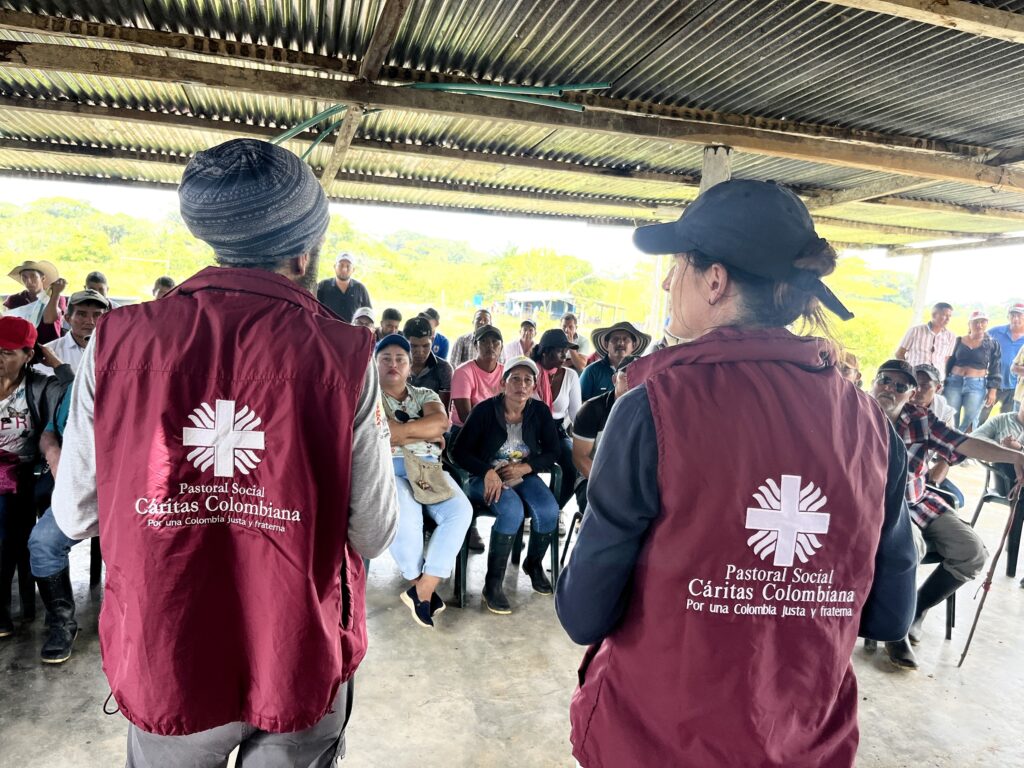
In 2022, Gustavo Petro took power as president with the goal of fulfilling the promises in the peace agreement. And to work for what he calls "total peace" (paz total) to end the country's many conflicts. Among other things, dialogues have been started between several armed groups and the government. This gives the population in the region new hope for a more peaceful future.
Many believe that the key to creating lasting peace is to give local communities a greater role in local and national participatory processes. This allows those closest to the challenges to propose solutions to reduce pressure on the Amazon, increase food security, and build bridges between people and institutions for lasting peace.
Sigrid Nagoda, Caritas Norway's regional director in Latin America
Sustainable cattle farming
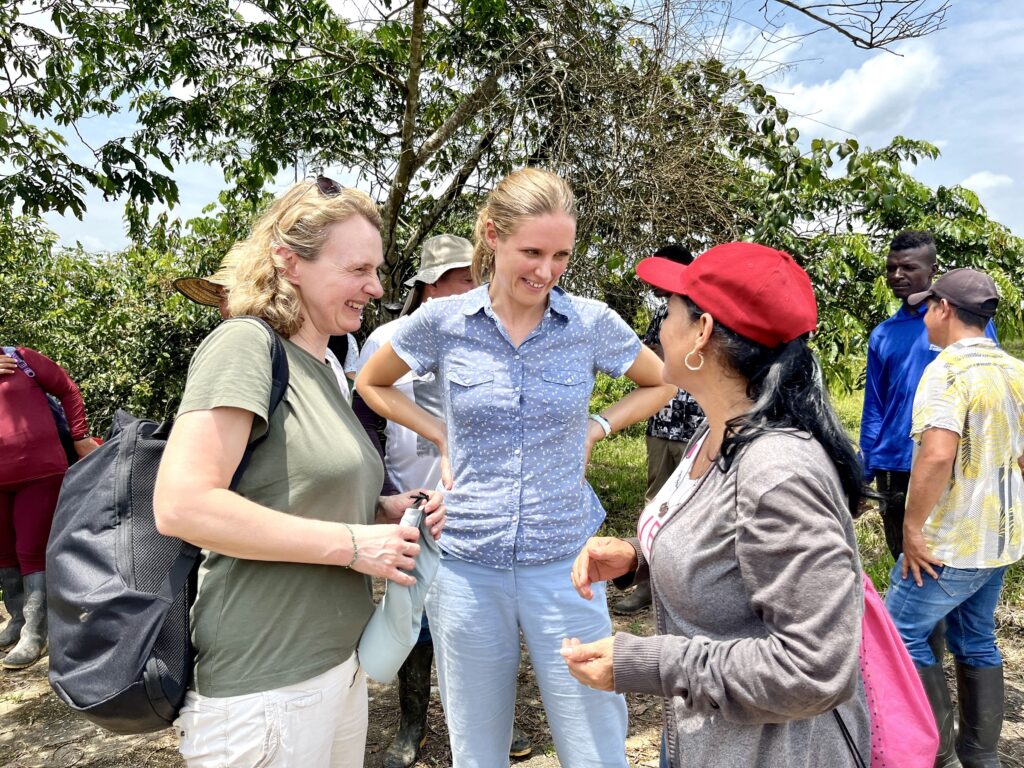
Extensive cattle ranching is one of the main causes of deforestation in Colombia. The transition to more environmentally friendly farming is a topic that has been discussed in the dialogue between the government, civil society and local communities. This can provide new opportunities for the population, but at the same time requires them to become aware and gain knowledge about other ways of making a living.
Changing current practices of extensive cattle farming to one that places less pressure on forests involves not only adopting new techniques and technologies, but also rethinking the role of society and institutions in protecting forests and building a sustainable future.
Sigrid Nagoda, Caritas Norway's regional director in Latin America
Inspiring effort
The forest conservation project is funded by Norad, and promotes sustainable cattle farming and land management, forest conservation and conflict resolution measures. Political advocacy is also part of the project, with the goal of improving the living conditions of people living in and around the Amazon.
During the visit, Norad and the Norwegian Embassy saw the value of this project in achieving forest conservation goals. We were all inspired by the efforts of local communities for a better and safer future in harmony with nature, concludes Caritas its regional director.
Sigrid Nagoda, Caritas Norway's regional director in Latin America